Cancer Care Centre
Cancer Care at St Andrew’s Toowoomba Hospital
Expertise, Compassion, and Whole-Person Support in One Place
At St Andrew’s Toowoomba Hospital (SATH) we provide exceptional cancer care close to home, with all major services located on-site. From diagnosis through to treatment, recovery, and survivorship, our team walks alongside every patient—delivering expert care with compassion, respect, and dignity.
Our purpose-built Cancer Care Centre is designed to simplify the cancer journey for patients and families across the Darling Downs and regional Queensland.
Integrated Cancer Services in One Location
Our comprehensive approach ensures that patients receive streamlined care supported by specialist teams, advanced technology, and continuous support. Our services include:
Medical Oncology & Haematology
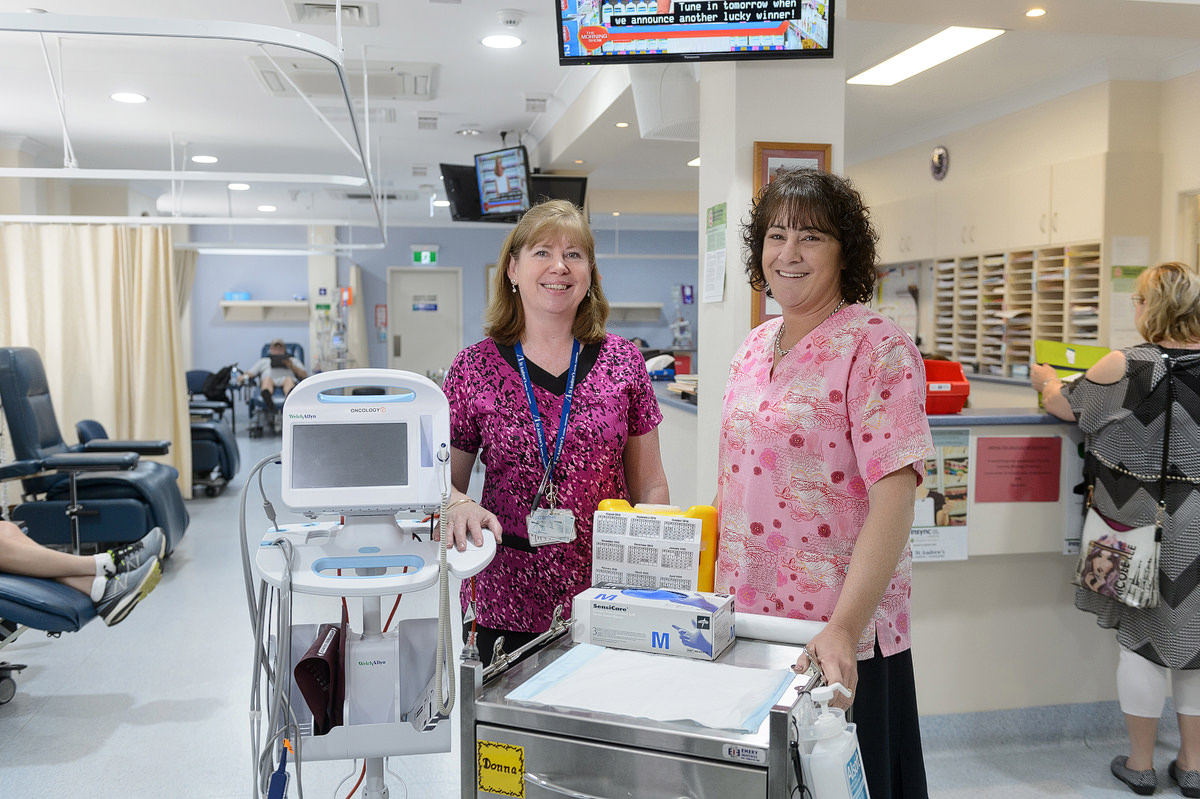
Our modern 25-chair day oncology unit and in patient Cancer Care Department provides:
Chemotherapy
Immunotherapy
Targeted therapy
Stem cell transplant
Blood transfusions
Specialist consultations and treatment are delivered in partnership with Icon Cancer Care, supported by experienced SATH oncology nurses. The unit is comfortable, bright, and built to support patients through each step of care.
Heading name
Radiation Oncology
Our on-site radiation oncology bunker, operated by ICON Toowoomba, features the Varian TrueBeam Linear Accelerator—delivering highly precise radiotherapy in a fully digital environment.
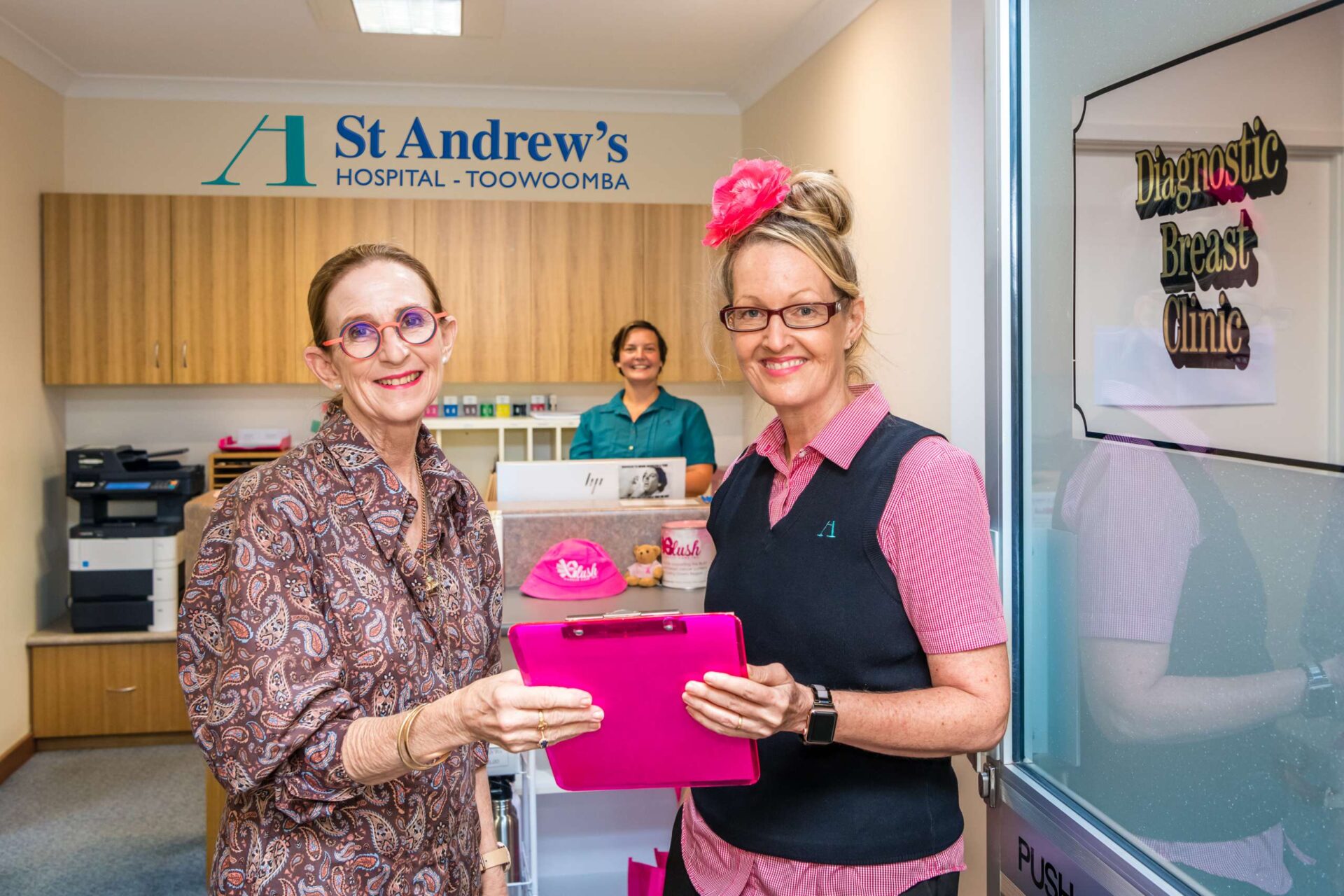
Diagnostic Breast Clinic
Our coordinated Diagnostic Breast Clinic brings together:
Specialist breast surgeons
Radiology (ultrasound, mammography, MRI)
On-site pathology services (Sullivan Nicolaides)
Dedicated breast care nurses
Same-day assessments and screening are available where possible, ensuring prompt diagnosis and early treatment planning. Breast care nurses remain a consistent point of support throughout the journey.
Prostate Clinic
The Prostate Clinic provides dedicated care for men facing prostate health concerns, including:
Multidisciplinary input from urologists, oncologists, and allied health
A dedicated Prostate Cancer Nurse
Access to advanced diagnostics and treatment planning
This clinic supports early detection, informed decision-making, and continuity of care for men’s health.
Outpatient Oncology Support Services
Beyond clinical treatment, we offer a robust range of outpatient services to support physical and emotional wellbeing:
Cancer Care Coordinator – Your primary guide, helping manage appointments, services, and information
Psychology, Counselling, and Psychiatry
Dietitian Services tailored for oncology needs
Exercise & Rehabilitation Cancer Care Programs
Post-treatment follow-up and survivorship plans
Access to Cold Cap Therapy and SOZO lymphoedema screening
We also partner with Hope Horizons to offer complementary therapies such as:
Oncology massage
Music and art therapy
Support groups and community engagement programs
Participation in the Look Good Feel Better initiative
Multidisciplinary Team (MDT) Care
At the heart of SATH’s cancer service is our multidisciplinary team approach. Regular meetings are held for:
Breast Cancer
Head & Neck Cancers
Colorectal and Gastrointestinal Cancers
Urogenital Cancers
These meetings bring together medical oncologists, radiation oncologists, surgeons, allied health professionals, and nurses. Each patient’s case is reviewed collaboratively, allowing for evidence-based, coordinated, and personalised treatment planning.
Cancer Care Family Program & 24/7 Support
All eligible patients are automatically enrolled in our Cancer Care Family Program—a unique model offering seamless support across the care journey. Program benefits include:
24/7 Cancer Care Support Hotline:
(07) 4646 3140
$100 waiver on private health excess for cancer-related overnight stays (eligibility applies)*
Free transport to cancer rehabilitation sessions (eligibility applies)*
Accommodation assistance for patients and carers
Fast-tracked diagnostics and care coordination
At SATH, you are more than a patient—you’re family. Together in care, every step of the way.
Referrals & Access
A referral from your GP or specialist is required
Blood (lymphoma, leukaemia and myeloma) (this should be the icon and then when you click on it it takes you to the information page)
Understanding Blood Cancers
Blood cancers—including lymphoma, leukaemia, and myeloma—develop when abnormal blood cells are produced and begin to multiply uncontrollably. These cells can interfere with the healthy function of your bone marrow, blood, and lymphatic system, affecting the body’s ability to fight infection, carry oxygen, and control bleeding.
Diagnosis
Blood cancers are commonly identified through blood tests. These tests are analysed by specialist pathologists who check for changes in blood cell counts, cancer markers, or other abnormal indicators that may suggest the presence of disease. In some cases, further tests such as bone marrow biopsies or imaging scans may be required to confirm the diagnosis and guide treatment planning.
Treatment Options
Treatment for blood cancers is tailored to each person and may include:
Chemotherapy
Targeted therapies
Immunotherapy
Radiation therapy
Stem cell (bone marrow) transplant
At SATH, our team works closely with visiting haematologists and oncology specialists to coordinate these treatments in our day oncology unit or inpatient ward, depending on your clinical needs.
Supporting You Through Treatment
We understand that treatment for blood cancer brings both physical and emotional challenges, for patients and their families. At SATH, we take a holistic approach to care, offering integrated support that looks after your mental wellbeing, comfort, and quality of life.
Supportive services available to patients include:
Access to oncology counsellors and psychologists
Guidance from a Cancer Care Coordinator
Nutritional and physical health advice from our allied health team
Day Rehab with specialised Cancer Care Program
Oncology massage, support groups, and complementary therapies through Hope Horizons
Help with managing treatment side effects, fatigue, and emotional stress
Connection to our 24/7 Cancer Care Support Hotline
You’re not alone, our team is here to walk with you through every stage of treatment, recovery, and survivorship.
Bowel & Colerectal (Cance in the lining of the colon or rectum) (this should be the icon and then when you click on it it takes you to the information page)
Bowel and Colorectal Cancer
Bowel cancer, also known as colorectal cancer, develops when cells in the lining of the colon or rectum grow abnormally and form a tumour. If left untreated, these tumours can spread to other parts of the body. Early detection plays a key role in successful treatment and recovery.
How is it Diagnosed?
Bowel cancer doesn’t always present symptoms in its early stages. However, some people may notice:
Changes in bowel habits (such as constipation or diarrhoea)
Blood in the stool or rectal bleeding
Ongoing abdominal discomfort or bloating
Unexplained weight loss or fatigue
Initial screening can be done through a simple at-home test. If further investigation is needed, diagnosis is confirmed through a colonoscopy and biopsy performed by a specialist.
Treatment Options
Treatment for bowel and colorectal cancers often includes a combination of approaches based on the type, stage, and location of the cancer. These may include:
Surgery to remove the tumour and surrounding tissue
Chemotherapy or targeted drug therapy
Immunotherapy to support the body’s immune system in fighting cancer
Radiation therapy when appropriate
At SATH, these services are coordinated through our oncology and surgical teams, with support from visiting specialists where needed. A multidisciplinary approach ensures your care is personalised and evidence-based.
Holistic Support Throughout Your Journey
Facing cancer is about more than just treatment—it also involves managing emotional, physical, and lifestyle changes. At St Andrew’s Toowoomba Hospital, we’re committed to supporting the whole person, not just the condition.
Our patients can access:
A dedicated Cancer Care Coordinator to guide you through treatment and appointments
Counselling, psychology, and mental health support
Nutritional guidance and allied health support
Oncology rehabilitation and gentle exercise programs
Complementary therapies through Hope Horizons, including massage, support groups, and wellness activities
Access to our 24/7 Cancer Care Hotline for support at any time
We are with you every step of the way—providing trusted care, expert advice, and heartfelt support.
Breast Cancer, Cancer that begins in the milk-producing glands (lobules) or the tubes (ducts) that carry milk within the breast. (this should be the icon and then when you click on it it takes you to the information page)
Breast cancer occurs when cells within the breast tissue—most commonly in the ducts or lobules—begin to grow abnormally and uncontrollably. These cells can form a lump or tumour, and in some cases, may spread to other parts of the body. Breast cancer is the most frequently diagnosed cancer among women in Australia.
How is it Diagnosed?
In many cases, breast cancer does not cause noticeable symptoms in its early stages. However, common signs can include:
A new lump or thickening in the breast or underarm area
Changes in breast shape or size
Skin dimpling or puckering
Pain in the breast or nipple
Nipple discharge or changes in nipple appearance
Diagnosis usually begins with imaging such as a mammogram or ultrasound. If there is an area of concern, a biopsy is performed to confirm whether cancer is present. At St Andrew’s Toowoomba Hospital, our Diagnostic Breast Clinic provides streamlined assessment with access to imaging, pathology, and specialist breast care nurses in one location.
Treatment Options
Treatment for breast cancer is personalised based on the type, stage, and individual patient needs. Options may include:
Surgery to remove the tumour (lumpectomy or mastectomy)
Chemotherapy or targeted therapies
Hormone therapy for hormone-sensitive cancers
Immunotherapy for some subtypes
Radiation therapy to destroy remaining cancer cells post-surgery
Your care plan is developed in close consultation with our team of specialists, and may involve referral to multidisciplinary meetings where surgeons, oncologists, radiologists, nurses and allied health professionals collaborate to determine the most effective approach.
Whole-Person Support During and After Treatment
At St Andrew’s Toowoomba Hospital, we understand that treating cancer goes beyond medical care. That’s why we offer holistic services to support your emotional wellbeing, physical recovery, and daily life.
Patients can access:
A dedicated Cancer Care Coordinator to guide and support you throughout treatment
Specialist breast care nurses for personalised advice and support
Psychological counselling and emotional wellbeing services
Oncology rehabilitation programs and gentle exercise
Nutrition and lifestyle support
Access to Hope Horizons for oncology massage, group therapies, creative workshops, and survivorship care
Participation in the Look Good, Feel Better program
24/7 clinical and emotional support via our Cancer Care Hotline
You don’t have to face breast cancer alone. Our team is here to support you—every step of the way.
Gastrointestinal (GI) Cancers, Cancer that develops in the lining of the digestive tract, anywhere from the oesophagus to the intestines (this should be the icon and then when you click on it it takes you to the information page)
Gastrointestinal cancers begin in the lining of the digestive tract and related organs. These cancers can affect any part of the system—from the oesophagus to the intestines—and may also include the stomach, pancreas, liver, and bile ducts. Bowel and colorectal cancers are also classified under the GI cancer category.
These cancers occur when abnormal cells grow in an uncontrolled way and form a tumour, which can interfere with the normal function of the digestive system.
How is it Diagnosed?
The signs and symptoms of gastrointestinal cancers vary depending on the specific area involved. For example:
Oesophageal cancer may cause difficulty swallowing
Stomach cancer may lead to persistent reflux or indigestion
Pancreatic cancer could cause back pain or jaundice
Liver cancer may present as pain or swelling in the upper right side of the abdomen
Diagnosis may include a combination of:
Blood tests to check for liver function or tumour markers
Imaging such as CT, MRI or PET scans
Endoscopy to visualise the inside of the digestive tract
Biopsy to confirm if cancer cells are present
At SATH, these diagnostic services are coordinated with our on-site pathology and imaging partners for timely results and comprehensive care.
Treatment Options
Treatment for gastrointestinal cancers is tailored to the type and stage of the disease and may involve:
Surgical removal of the tumour
Chemotherapy
Targeted therapies or immunotherapy
Radiation therapy when appropriate
Treatment is coordinated by our multidisciplinary care team, which includes medical oncologists, surgeons, radiation oncologists, nurses, and allied health professionals. This team works together to develop a personalised plan for each patient.
Support Through Every Stage
At St Andrew’s Toowoomba Hospital, we care for more than the condition—we care for the person. Facing cancer can bring emotional, physical, and practical challenges. That’s why we provide a whole-person approach to support during and after treatment.
Our patients have access to:
A dedicated Cancer Care Coordinator to assist with appointments, information, and guidance
Emotional support through our psychology and counselling services
Allied health professionals, including dietitians and physiotherapists
Oncology rehabilitation and survivorship planning
Complementary therapies and support groups through Hope Horizons
Practical assistance and wellness programs such as massage, art therapy, and relaxation activities
24/7 support via our Cancer Care Hotline
Our team is here to support you throughout your cancer journey—with care that’s coordinated, compassionate, and close to home.
Gynaecological Cancers, Cancer that develops in the organs of the female reproductive system (this should be the icon and then when you click on it it takes you to the information page)
Gynaecological cancers are cancers that affect the female reproductive organs. They develop when cells in areas such as the ovaries, uterus, cervix, vagina, vulva, or fallopian tubes grow and multiply in an abnormal way, leading to the formation of a tumour.
How is it Diagnosed?
Symptoms of gynaecological cancers can be vague and may be mistaken for other health conditions. Some warning signs may include:
Ongoing abdominal bloating or pelvic discomfort
Changes in appetite or feeling full quickly
Frequent or urgent need to urinate
Constipation or other bowel habit changes
Irregular or unusual vaginal bleeding
Diagnosis may involve a combination of pelvic examinations, blood tests, imaging scans (such as CT or ultrasound), and a biopsy to confirm the presence of cancer cells. Early detection is key, particularly for cancers like cervical cancer, which can sometimes be identified through screening tests.
Treatment Options
Treatment for gynaecological cancers depends on the type and stage of cancer but may include:
Surgical procedures to remove tumours or affected organs
Chemotherapy
Targeted therapy or hormone therapy
Radiation therapy
Immunotherapy in select cases
At SATH, treatment is guided by a multidisciplinary team of specialists, including oncologists, gynaecologists, surgeons, nurses, and allied health professionals—ensuring each patient receives a tailored and coordinated plan of care.
Supporting Your Wellbeing Throughout Treatment
Coping with cancer affects not only your physical health but also your emotional and mental wellbeing. That’s why St Andrew’s offers a whole-person approach to care, supporting women throughout treatment and into recovery.
Support services available include:
A dedicated Cancer Care Coordinator to help manage your care and connect you to resources
Counselling and emotional health support
Access to dietitians, physiotherapists, and rehabilitation services
Oncology massage, yoga, and complementary therapies via Hope Horizons
Group programs and survivorship workshops
Support for managing symptoms, side effects, and fatigue
24/7 help through our Cancer Care Support Hotline
We’re here to ensure that no one walks the journey alone—from diagnosis to recovery and beyond.
Head and Neck Cancers, Cancer that begins in the moist tissue linings found within the head and neck region, such as the mouth, throat, and nasal passages (this should be the icon and then when you click on it it takes you to the information page)
Head and neck cancers refer to a group of cancers that start in the tissues and organs of the head and neck region—most often in areas lined with moist mucous membranes such as the mouth, throat, and nasal passages. These cancers can include:
Laryngeal (voice box) cancer
Nasopharyngeal cancer
Oral cavity cancer
Paranasal sinus cancer
And others affecting nearby structures
How is it Diagnosed?
Not all head and neck cancers show obvious signs early on, but symptoms may include:
Swelling, lumps, or persistent sores in the mouth, throat, or neck
Voice changes or hoarseness
Nosebleeds or unusual nasal discharge
Difficulty swallowing or breathing
Persistent ear pain or hearing loss
Diagnosis may involve a combination of imaging (such as CT or MRI scans), nasal or throat endoscopy, and a biopsy to confirm the presence of cancerous cells. Early detection is important to improving treatment outcomes.
Treatment Options
Treatment for head and neck cancers will depend on the specific location, stage, and type of cancer. Common options include:
Surgery to remove tumours or affected tissue
Radiation therapy
Chemotherapy
Targeted therapies or immunotherapy, depending on the cancer subtype
At St Andrew’s Toowoomba Hospital, treatment plans are developed by a multidisciplinary team, ensuring care is tailored, evidence-based, and supportive of your overall health and wellbeing.
Support for the Whole Journey
We understand that facing cancer can be overwhelming—for both patients and their loved ones. That’s why we offer integrated, whole-person support throughout the treatment journey.
Our services include:
A dedicated Cancer Care Coordinator to guide you through every stage of care
Counselling and emotional support to help manage anxiety, stress, and changes in identity (such as speech or appearance concerns)
Nutrition and speech pathology support, especially for patients experiencing changes in eating or speaking
Allied health and rehabilitation services to support recovery
Wellness therapies through our partnership with Hope Horizons, including massage, music therapy, and support groups
24/7 access to advice and reassurance through our Cancer Care Support Hotline
You don’t have to face head and neck cancer alone. Our team is here to support your physical health, emotional wellbeing, and quality of life—every step of the way.
Services On-site
EHC
Mauris vitae quam in justo dictum sodales. In eget tortor a nunc vehicula tempor. Nam ac tincidunt ipsum, eget accumsan nisi. Praesent porta, magna vitae dapibus pharetra, erat eros efficitur nunc, in mattis lectus libero a velit. Nulla facilisi.
ICU
Mauris vitae quam in justo dictum sodales. In eget tortor a nunc vehicula tempor. Nam ac tincidunt ipsum, eget accumsan nisi. Praesent porta, magna vitae dapibus pharetra, erat eros efficitur nunc, in mattis lectus libero a velit. Nulla facilisi.
Rehab
Mauris vitae quam in justo dictum sodales. In eget tortor a nunc vehicula tempor. Nam ac tincidunt ipsum, eget accumsan nisi. Praesent porta, magna vitae dapibus pharetra, erat eros efficitur nunc, in mattis lectus libero a velit. Nulla facilisi.
Lung Cancer & Mesothelioma, Cancer that develops in the tissue layer surrounding the lungs (this should be the icon and then when you click on it it takes you to the information page)
Lung cancer develops when abnormal cells in the lungs multiply uncontrollably, forming a tumour that can interfere with breathing and spread to other areas of the body.
Mesothelioma is a rare but aggressive cancer most commonly linked to exposure to asbestos. It typically forms in the thin layer of tissue surrounding the lungs (pleura) but may also appear around the abdomen or heart.
How is it Diagnosed?
Symptoms of lung cancer or mesothelioma can sometimes be mistaken for other conditions. Some signs to be aware of include:
Persistent cough or coughing up blood
Chest pain or discomfort
Shortness of breath
Unexplained fatigue or weight loss
To confirm a diagnosis, patients may undergo:
X-rays or CT scans
Lung function tests
Biopsy of affected tissue
Other diagnostic imaging, as needed
At St Andrew’s Toowoomba Hospital, diagnostic tests are coordinated quickly through our imaging and pathology partners, helping to ensure early and accurate diagnosis.
Treatment Options
Treatment is personalised based on the type and stage of the cancer. Options may include:
Surgery to remove the tumour or affected tissue
Radiation therapy to shrink or control tumours
Chemotherapy
Targeted therapies or immunotherapy, depending on the cancer type
Thermal ablation, which uses heat to destroy cancerous tissue in select cases
Patients are cared for by a multidisciplinary team including oncologists, surgeons, radiation specialists, nurses, and allied health professionals, working together to deliver coordinated, evidence-based treatment.
Supporting You Through Treatment
We understand that facing a diagnosis of lung cancer or mesothelioma brings emotional, physical, and practical challenges. At SATH, we provide a supportive and holistic environment to help patients and their families manage these impacts.
Support services include:
A dedicated Cancer Care Coordinator to assist with appointments and personalised care planning
Emotional health support through counselling and psychology services
Assistance from physiotherapists and respiratory therapists for lung function and fatigue
Dietitian guidance to help with nutritional needs during treatment
Access to wellness therapies, support groups, and rehabilitation via Hope Horizons
24/7 access to our Cancer Care Support Hotline for urgent needs, reassurance, or questions
You're not alone in your cancer journey—our team is here to provide expert care and compassionate support every step of the way.
Pancreatic Cancer, Cancer that forms in the tissues of the pancreas (this should be the icon and then when you click on it it takes you to the information page)
Pancreatic cancer occurs when abnormal cells form and grow uncontrollably within the pancreas. As the tumour develops, it can interfere with the pancreas’ ability to perform its essential roles—producing digestive enzymes (exocrine function) and regulating blood sugar through hormone release (endocrine function).
How is it Diagnosed?
In its early stages, pancreatic cancer often does not cause noticeable symptoms, which can make early detection challenging. As the condition progresses, signs may include:
Ongoing pain or discomfort in the upper abdomen or back
Nausea and vomiting
Loss of appetite or unexplained weight loss
Changes in digestion or bowel habits
Diagnosis typically involves a combination of:
Blood tests to check for specific tumour markers or changes in liver function
Imaging scans such as CT, MRI, or ultrasound
Biopsy to confirm the presence of cancer cells
At St Andrew’s Toowoomba Hospital, diagnostic services are fast-tracked and coordinated with on-site and external specialists to ensure timely assessment and results.
Treatment Options
Treatment plans for pancreatic cancer depend on the stage and type of cancer, as well as the patient’s overall health. Options may include:
Surgery to remove part or all of the pancreas and affected tissues
Radiation therapy to target remaining cancer cells
Chemotherapy, often used before or after surgery
Targeted therapy or immunotherapy for specific subtypes of the disease
All care is guided by our multidisciplinary team, including surgeons, oncologists, radiation specialists, nurses, and allied health professionals. Each patient’s treatment is tailored to their needs and discussed in regular team meetings to ensure coordinated, evidence-based care.
Holistic Support Through Treatment
Living with pancreatic cancer can impact both your physical and emotional wellbeing. At SATH, we’re committed to supporting the whole person—not just the diagnosis.
Support services available to patients and their families include:
A dedicated Cancer Care Coordinator to help manage appointments and provide ongoing guidance
Emotional and psychological support through counselling services
Nutrition and dietary advice to help with digestion, appetite, and energy
Access to Hope Horizons for complementary therapies including oncology massage, art therapy, support groups, and wellness programs
Fatigue and symptom management support through allied health and nursing teams
24/7 clinical and emotional assistance through our Cancer Care Support Hotline
You are not alone—our care team is here to support you through every step of your treatment and beyond.
Prostate Cancer, A type of cancer that starts in the prostate, a small gland involved in the male reproductive system (this should be the icon and then when you click on it it takes you to the information page)
Prostate cancer is a common form of cancer in men that begins in the prostate gland—a small organ located below the bladder that plays a role in the male reproductive system. It is classified as a urological cancer and varies in how quickly it grows, with some forms being slow-growing and others more aggressive.
How is it Diagnosed?
In its early stages, prostate cancer may not cause noticeable symptoms. As it progresses, individuals might experience:
Changes in urination (such as frequency or difficulty)
Discomfort during urination or ejaculation
Pain in the lower back, hips, or pelvis
Reduced sexual function
To detect prostate cancer, doctors may use a Prostate Specific Antigen (PSA) blood test, a Digital Rectal Examination (DRE), or other scans. If further investigation is needed, a biopsy is performed to confirm the diagnosis.
At St Andrew’s Toowoomba Hospital, our Prostate Clinic offers coordinated access to diagnostics, urologists, radiation oncologists, and a dedicated Prostate Cancer Nurse for personalised support and information.
Treatment Options
Treatment is tailored to the individual’s needs and depends on the stage and aggressiveness of the cancer. Options may include:
Surgery to remove the prostate gland
Radiation therapy to target cancer cells
Chemotherapy, particularly for advanced cases
Hormone therapy or immunotherapy, depending on the type of prostate cancer
Treatment plans are developed collaboratively by our multidisciplinary cancer team, ensuring every patient receives comprehensive, coordinated care.
Supporting You During Treatment and Beyond
Facing prostate cancer can affect every part of life—from physical health to emotional wellbeing. That’s why SATH provides whole-person care through a combination of clinical excellence and personalised support.
Our services include:
A dedicated Cancer Care Coordinator and Prostate Cancer Nurse to assist with navigating care
Access to counselling and mental health support
Nutritional and physical rehabilitation support from allied health professionals
Access to wellness programs through Hope Horizons including massage, support groups, and complementary therapies
Fatigue, symptom, and side effect management
Ongoing survivorship care planning
24/7 advice and reassurance through our Cancer Care Support Hotline
At SATH, we are committed to walking alongside you and your family—through diagnosis, treatment, and recovery.